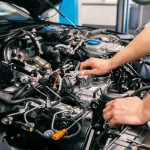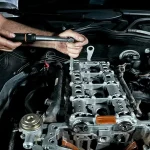



Professional technicians utilize specific diagnostic procedures to confirm these internal mechanical failures accurately. You should seek expert assistance immediately when symptoms arise to save your vehicle. Reliable shops like Dave’s Auto Repair provide comprehensive inspections for such complex engine sealing issues.
Visual Inspection for External Leaks
Mechanics begin the diagnostic process by performing a thorough visual inspection of the engine. They look for obvious signs of coolant pooling near the cylinder head seam. You might notice low coolant levels in the reservoir during this initial check phase. Experienced staff at Dave’s Auto Repair document these findings before moving to more advanced testing methods. A clean engine bay helps identify the precise location of any active fluid seepage.
Performing a Chemical Combustion Leak Test
Technicians use a chemical block test to detect exhaust gases inside the cooling system. This procedure involves placing a specialized testing fluid into a clear plastic chamber tool. The mechanic attaches this tool directly to the open radiator cap or coolant reservoir. Now the engine runs for several minutes to build pressure within the cooling circuit. Blue testing liquid turns yellow or green if combustion gases are present in coolant. This color change confirms a breach between the cylinder and the cooling water jacket. Reliable teams at Auto Repair in Goshen, IN service rely on this definitive test for accurate results. You get clear confirmation of gasket integrity through this simple yet effective chemical reaction.
Utilizing Advanced Cooling System Pressure Tests
Dave’s Auto Repair Mechanics apply external pressure to the cooling system using a specialized hand pump tool. This device forces air into the radiator to simulate normal operating pressure levels safely. The technician watches the gauge closely to see if pressure holds steady over time. Rapid pressure drops indicate a hidden leak somewhere within the closed cooling circuit lines. Sometimes coolant drips inside the cylinders when the system is under this forced pressure. This test effectively highlights microscopic cracks that remain invisible during standard idle engine operations. You can trust professional diagnostic tools to find small leaks before major damage occurs. Proper cooling system maintenance prevents these failures from damaging expensive engine components over time.
Analyzing Oil Condition for Contamination Signs
The oil dipstick provides crucial evidence regarding the health of the internal head gasket. Mechanics pull the dipstick to check for a milky or frothy appearance on metal. This substance forms when coolant mixes with engine oil during regular fluid circulation cycles. You must address this contamination immediately to prevent catastrophic internal bearing wear or failure. Technicians might also drain a small amount of oil to inspect the pan contents. A clean golden appearance indicates the oil remains free from dangerous coolant mixing issues. Clear oil confirms that the gasket maintains a proper seal between these two systems. Regular oil analysis remains a standard procedure for maintaining long engine life and reliability.