


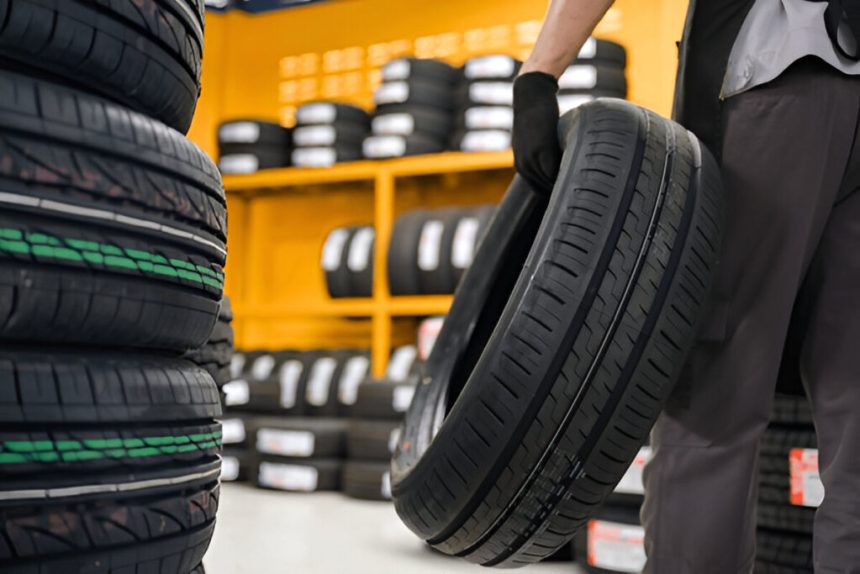
Smooth driving depends greatly on the outer rubber layer that touches the road surface. Each road surface requires a specific design that supports better grip and steady movement. Many drivers study Pickyourtires while choosing suitable options before long driving periods. Road texture, speed conditions, and ground strength influence the design required. Choosing the correct type reduces vibration and also improves stability during long hours of driving. Understanding these differences helps drivers make better decisions, as explained clearly in the following sections.
- Surface pattern differences across road conditions
- Strong structure for smooth, long road movement
- Flexible rubber built for busy urban streets
- Ground grip patterns used for rough paths
- Rubber softness influences driving control
- Noise reduction design improves quiet movement
- Comparing design features across surface needs
- Choosing a proper design improves driving stability.
Surface pattern differences across road conditions
Different patterns appear on rubber designs meant for specific road surfaces. Each structure helps improve grip based on the ground conditions.
- Smooth pattern supports fast movement on flat, wide road surfaces
- Narrow grooves reduce sound while driving on regular paved paths
- Wide blocks help maintain control on loose, uneven ground areas
- Deep channels push away water during rainy driving situations
Choosing the correct pattern improves grip and supports safe movement.
Strong structure for smooth, long road movement
Design built for wide roads focuses on steady movement at high speed. Rubber compound remains firm, which prevents heat buildup quickly.
Groove layout stays simple, which reduces noise during continuous driving. A stable structure helps maintain balance during long-distance driving hours.
Flexible rubber built for busy urban streets
Street driving requires frequent stops, as well as slow movement. Flexible compound improves grip on painted road surfaces.
Soft design helps absorb small bumps found on busy streets. This type works well for short-distance daily driving conditions.
Ground grip patterns used for rough paths
Uneven ground requires stronger rubber and also deeper grooves for grip. Thick blocks help hold loose soil, gravel, and rocky surfaces.
- Large tread blocks increase traction across mud, soil, and gravel surfaces
- Strong rubber compound resists damage from sharp stones and debris
- Deep channels remove dirt that blocks surface grip quickly
- Reinforced side walls protect the rubber from cuts on rocky ground
- Wide spacing improves traction during loose sand movement
- Hard compound supports heavy load across uneven surfaces
- Raised edges increase grip during climbing steep, rough paths
- Strong layers reduce puncture risk during difficult driving areas
Special pattern designs protect rubber and also improve movement stability.
Rubber softness influences driving control
Soft rubber gives a stronger grip during low-speed city movement. Hard compound works better for long highway driving conditions. A correct balance between softness and strength improves safety.
Noise reduction design improves quiet movement
Certain designs focus on reducing sound during movement. Smooth patterns create less friction on paved surfaces. Balanced grooves allow silent rolling across wide open roads.
Comparing design features across surface needs
Understanding structure differences helps choose a suitable rubber type. Some designs support speed while others focus on traction.
Careful comparison prevents damage and also improves driving stability. Many buyers also read guides on Pickyourtires before selecting suitable options.
Choosing a proper design improves driving stability.
Selecting the correct rubber design supports better grip and smoother movement on different surfaces. Pattern depth, compound strength, and block structure influence driving stability greatly. Smooth roads require simple layouts, while rough ground demands a stronger grip structure. Understanding these differences helps drivers avoid wear and improve control. Careful selection based on road conditions ensures safe, steady movement for long driving periods.