

Introduction
Buying farm equipment based on the lowest sticker price might save money upfront, but it rarely holds up as a smart decision once you factor in years of use. More farmers are shifting toward evaluating machinery based on long-term return rather than the initial purchase cost, and that shift in thinking has real consequences for how equipment gets chosen. Understanding what actually drives long-term productivity helps separate a genuinely good investment from one that just looks affordable on paper.
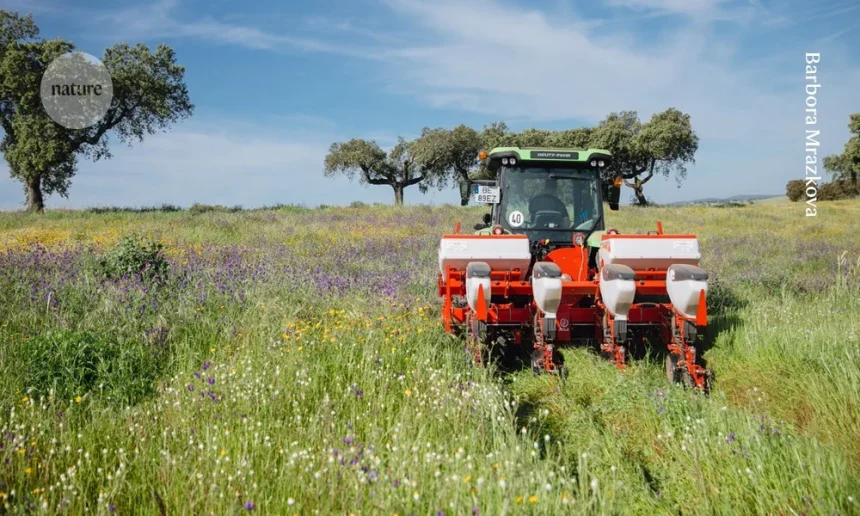
Selecting agricultural machinery for long-term use requires careful consideration of how each machine will perform under the specific demands of an operation. Factors such as expected workload, operating conditions, fuel efficiency, ease of maintenance, and compatibility with existing implements can all influence the overall value of an investment. Looking beyond the initial purchase price helps farmers choose machinery that can remain dependable and productive as their needs evolve.
Matching Equipment to Your Actual Operation
Every farm is different, and equipment that works well for one operation might be completely wrong for another based on soil type, crop variety, and terrain. Machinery chosen without considering these specifics often leads to problems like soil compaction or uneven performance, which can quietly erode productivity for years before the root cause becomes obvious.
Durability Determines Real Cost Over Time
Heavy-duty machinery built with reinforced structures and durable components costs more initially, but it also reduces maintenance costs, minimizes downtime, and extends the equipment’s overall lifespan. That combination adds up to a considerably stronger long-term return than a cheaper machine that needs frequent repairs or breaks down during a critical planting or harvest window.
Planning for Scalability as Operations Grow
Equipment decisions shouldn’t just reflect a farm’s current size, they should account for where the operation is headed. Machinery that can’t support additional implements or handle increased acreage down the line often forces farmers into costly, premature upgrades. A phased approach that aligns equipment investment with actual production growth tends to preserve operational stability far better than buying reactively.
Weighing ROI Over Sticker Price
More farmers are now evaluating purchases based on how quickly a piece of equipment pays for itself and how it contributes to long-term profitability, rather than comparing upfront prices alone. Features like GPS guidance, precision application systems, and automation may raise the initial cost, but they often deliver measurable efficiency gains that outweigh that difference within just a few growing seasons.
Maintenance Support Shapes Uptime More Than People Expect
Even the most durable machine will eventually need parts and service, so evaluating a manufacturer’s spare-parts availability and maintenance support before buying is worth just as much attention as the equipment specs themselves. Farms that overlook this often discover the problem at the worst possible time, when a breakdown during a narrow planting or harvest window turns into extended downtime simply because parts or service were hard to access.
Conclusion
Choosing agricultural machinery with long-term productivity in mind means looking past the price tag and evaluating durability, fit for the specific operation, and room to grow alongside the farm. That kind of strategic thinking takes more effort upfront than simply picking the cheapest option, but it tends to pay off considerably over the equipment’s working life. Farmers who approach these decisions with a long-term lens generally end up with stronger, more resilient operations as a result.